Welcome to our health library. The information shared below is provided to you as an educational and informational source only and is not intended to replace a medical examination or consultation, or medical advice given to you by a physician or medical professional.
If you feel nagging pain and stiffness in your shoulder, you may have frozen shoulder. This problem is sometimes called adhesive capsulitis. It is not well understood. But it often improves over time with treatment.
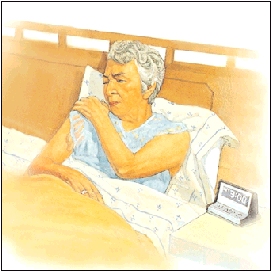
The first symptom you may have is shoulder pain. You may feel as if you've injured your shoulder. Other symptoms you may have include:
Increased shoulder pain as you move your arm
Shoulder stiffness that makes it hard to get daily tasks done
Shoulder pain that keeps you from sleeping
An arm that you can't raise or rotate beyond a certain point
Women are more likely than men to have frozen shoulder. This problem also occurs more often in women who are at least in their 40s. In some cases, people who have injured their shoulder may later develop frozen shoulder.
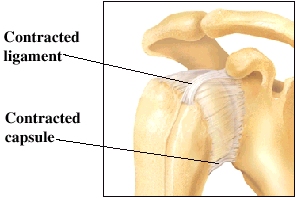
Your shoulder is a joint that is made up of many parts. They help you raise, rotate, and swing your arm. But if you have frozen shoulder, certain parts of the shoulder joint contract (shrink and pull in). This often causes pain and stiffness when you try to move your arm.
Date Last Reviewed: 2004-08-04T00:00:00-06:00
Date Last Modified: 2002-07-09T00:00:00-06:00
For more information, call Dr. Walker at 972.392.3330 or use our Online Appointment Request Form today!